It's hard to be China in an online world
International borders can now change depending on your world view.

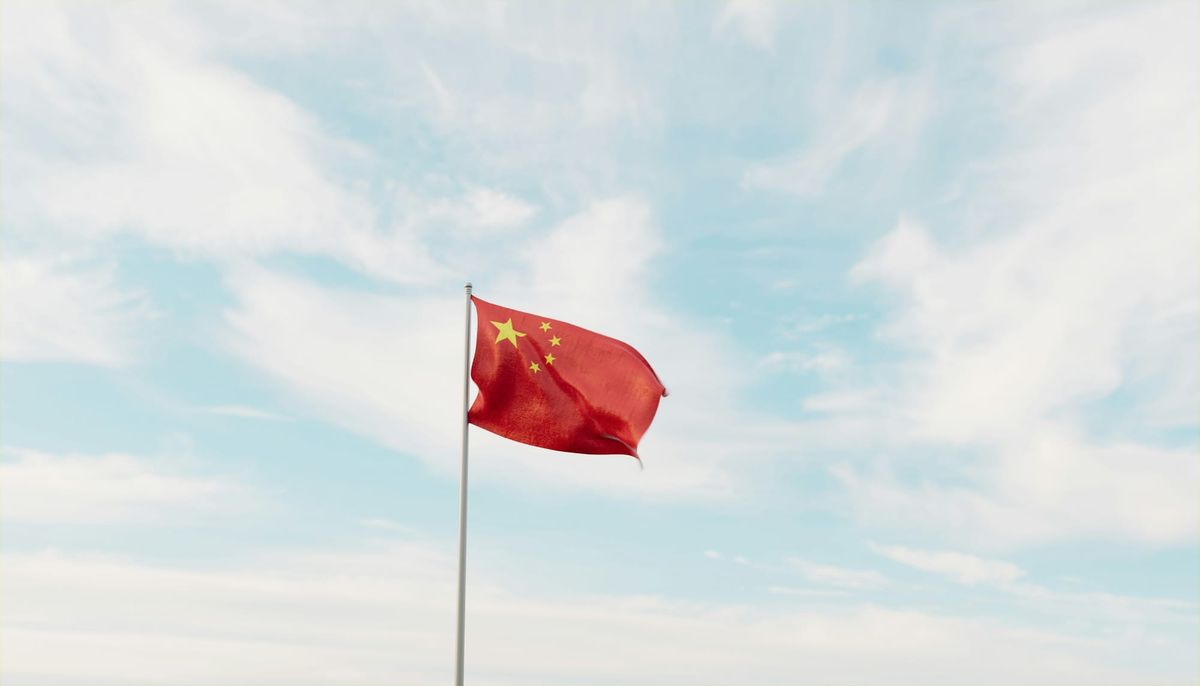
China makes it illegal to publish deepfakes or fake news without disclosure
China just released a new government policy to prevent the spread of fake news and misleading videos known as deepfakes. The new law bans the publishing of false information or deepfakes online without adequately disclosing that AI or VR technology was used to create the content. The rules will take effect on January 1st, 2020.
The Chinese government takes a broad stance, reserving the right to prosecute both users and hosting services for failing to follow the new rules.
Last month, California became the first US state to criminalise the use of deepfakes in political campaign promotion and advertising. The law makes it illegal to publish audio, imagery, or video that gives a false, damaging impression of a politician's words or actions. While California's law does not mention deepfakes per se, the AI-manufactured fakes are the primary focus, together with videos misleadingly edited to frame someone in a negative light.
TikTok suspended the account behind a viral clip criticising China "by mistake"
The viral video starts just like any beauty video on TikTok. But after a few seconds, 17-year-old Feroza Aziz asks her audience to put down their lash curlers. Instead, she suggests "Use your phone that you're using right now to search up what's happening in China, how they're getting concentration camps, throwing innocent Muslims in there".
The 40-second clip had more than 498,000 likes before the platform suspended her account. However, TikTok later reversed its decision, saying its moderation system had overreached when it shut Aziz out of her account because she had previously posted a satire video featuring Osama bin Laden. (Yeah, right.)
There's been a lot of concern that the Chinese social media giant ByteDance, which owns TikTok, censors or punishes videos that run counter to China's government's interests. TikTok has denied these accusations, but this incident for sure adds more fuel to the fire.
Apple Maps now displays Crimea as part of Russia – as long as you are in Russia
Russia has had no success in persuading the European Union or the United States to recognise the annexed Black Sea peninsula as Russian territory. Instead, Apple is now joining Google and other tech companies in redrawing borders to satisfy the Russian Parliament. When using Apple Maps in Russia, the app now shows Crimea as part of the Russian Federation, separated from Ukraine by an international border.
Apple has been negotiating with representatives from the Duma, Russia's lower house of Parliament, since May, when the Russian Parliament had accused Apple of "inaccurate" maps of Crimea. "We see that everything has happened the way we wanted it," said Vasily Piskaryov, chairman of the State Duma's security and anti-corruption committee. Leonid Levin, head of the Information Policy Committee, told a news agency that Apple "has demonstrated a wish to preserve and develop its position on the Russian market."
Ukraine protested Apple's move. Its foreign minister, Vadym Prystaiko, wrote on Twitter that the company should stay out of politics. However, Apple has declined all requests for comments on its decision.
Tool of the week: Minute
Are you tired of unproductive meetings? Maybe you're in an organisation where most meetings: 1. don't have an agenda, 2. have unprepared participants, 3. take longer than needed, or 4. lack actionable outcomes. I'm not a meeting pro myself, but I'm trying to get better.
Minute allows all participants in a meeting to compose an agenda and follow it collaboratively. It then helps you capture all decisions made and the actions that follow – ensuring you follow up in the next meeting.